D.I.M.S. Technology
Defocus Incorporated Multiple Segments, clinically proven to control myopia.

A look into how MiYOSMART works.
In the lens
One spectacle lens doing two jobs at once: correcting your child’s vision today, and working every day to slow how quickly their myopia progresses.
Defocus Incorporated Multiple Segments, clinically proven to control myopia.

Impact-resistant polycarbonate 1.59 with built-in UV protection.

Light, easy to wear and clear, with no visible lines on the lens.

A low-maintenance multi-coating that is easy to clean and durable.
Technology
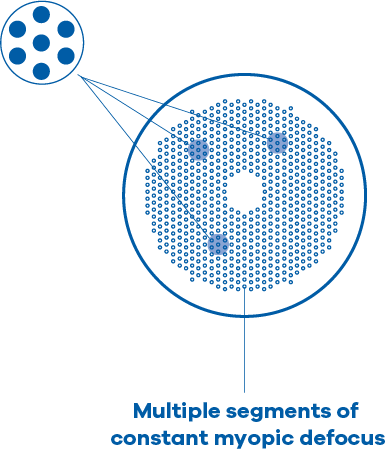
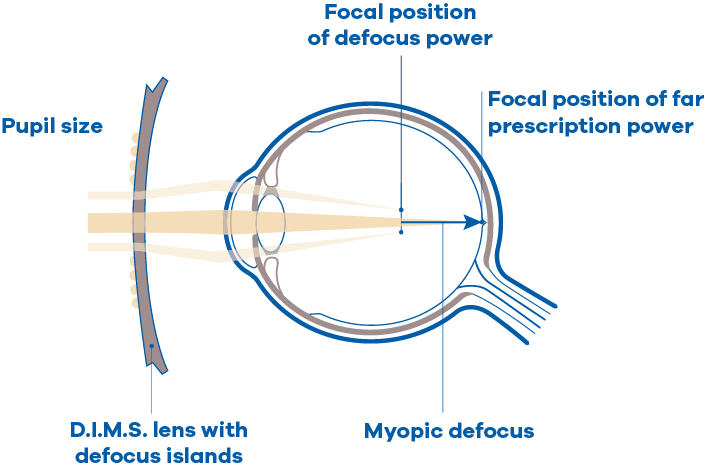
To control myopia progression, myopic defocus has to be constantly experienced by the wearer.
This requires defocus segments to be evenly distributed on the lens surface.
MiYOSMART lenses consist of Defocus Incorporated Multiple Segments, which have been clinically proven to control myopia.
Evidence you can trust
Many spectacle lenses now claim to control myopia. What is worth checking is whether the claim has been tested on that specific lens, over time, and published where other scientists can examine it.
The longest study of myopia control using spectacle lenses to date.
Peer-reviewed research in reputable medical journals covering D.I.M.S. Technology.
MiYOSMART spectacle lenses purchased by parents all over the world.
*Based on the number of lenses sold by HOYA – sales data as of April 2026
Available in over 50 countries around the world.

Eye Shield
MiYOSMART lenses are made of strong, UV protected and impact-resistant material to keep active children safe.
To protect your child’s eyes, MiYOSMART uses polycarbonate 1.59, a highly impact-resistant material that has passed the high velocity impact drop ball test.(5)




(5) ANSI Z87.1 High Velocity Impact Test: the American National Standards Institute sets the most stringent impact and projectile penetration standards for ophthalmic lenses. Polycarbonate passes ANSI Z87.1, the industry’s highest standard for high-impact resistance.
Cosmetic appearance
MiYOSMART lenses are light, easy to wear and clear with no visible lines, similar to a regular smooth-surfaced lens.
Cosmetic Appearance
MiYOSMART lenses
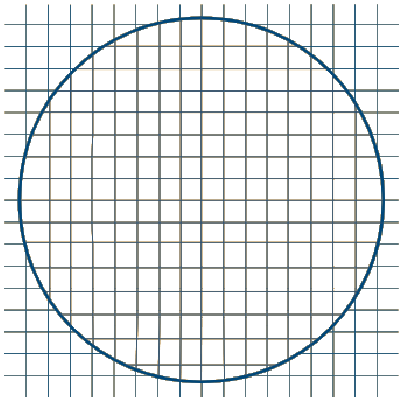
Beautifully designed lens provides optical clarity and confidence: smooth-surfaced, with the defocus segments invisible to anyone looking at your child.
Regular lenses
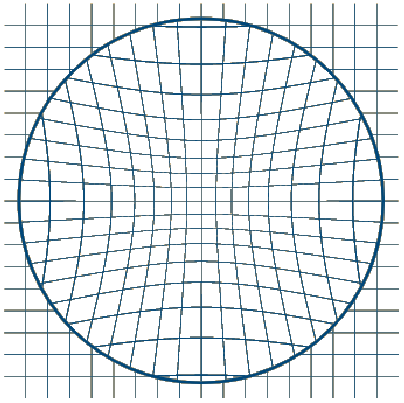
Visual distortion leads to discomfort and poor adaptation, which is often what makes a child reluctant to keep their glasses on.

Special coatings
MiYOSMART has a low-maintenance multi-coating that is easy to clean and durable, making it suitable for your child.

Prevents water stains.
Keeps lenses longer-lasting.
Different needs, one technology
Every version carries the same D.I.M.S. Technology. What changes is how the lens handles light, so it can be matched to how your child actually spends their day.

One pair, indoors and out.

For strong sunlight.
Parent questions
No lens can guarantee that myopia stops in every child. What the two-year randomised clinical trial showed is that MiYOSMART slowed myopia progression by 59% and axial eye growth by 60% on average, compared with standard single vision lenses. In some children progression did stop altogether, but that is an outcome rather than a promise.
The two-year trial that established the effect was carried out in children aged 8 to 13. That does not rule out younger or older wearers, which happens often in practice. The decision belongs to your eye care professional, after examining your child and looking at how quickly their myopia is changing.
They are worn like any other pair of glasses. Nothing is placed on the eye and no medication is involved. The lenses themselves are made from polycarbonate 1.59, a highly impact-resistant material that has passed the high velocity impact drop ball test, and they carry built-in UV protection.
Two things happen in one lens. A clear zone at the centre corrects your child’s short-sightedness the way an ordinary lens does. Around it sit hundreds of small defocus segments, spread evenly across the lens surface, which create myopic defocus in front of the retina.
Most children adapt very quickly. Some are comfortable the moment the glasses go on, others take a few days, and it usually happens on its own through normal daily wear. If discomfort lasts longer than that, have the fit checked.
As much of the day as possible. The myopic defocus only works while the glasses are on, so the best results come when MiYOSMART is your child’s main pair rather than an occasional one.
Stopping MiYOSMART does not make myopia speed up. There is no rebound effect of the kind that can follow some other methods, such as atropine eye drops or orthokeratology. That said, a child’s sight may still change naturally over time.
Not from how well your child sees, since the correction is clear from day one. Progression is measured at the six-monthly reviews, where your eye care professional compares the prescription and the growth of the eye with the previous visit.
Yes. Clinical research in Europe and China found that combining MiYOSMART lenses with atropine eye drops was more effective at slowing myopia progression than either method on its own. Whether to combine methods is a decision for your child’s eye care professional.
To anyone looking at your child, MiYOSMART is practically indistinguishable from an ordinary single vision lens. The segments only catch the eye as a faint pattern when light reflects off a tilted lens.
Children usually notice the therapeutic zone as a slight softening of the image, which does not get in the way of everyday life. In the first days a few children report images seeming to swim, mild dizziness or a headache. These are uncommon and normally settle quickly; if they do not, have the fit checked.
Start with an eye care professional, who will examine your child and suggest something matched to their age, prescription and how fast it is changing.
Beyond that, check the evidence. Ask whether the effectiveness has been confirmed in clinical studies of that specific lens, not the underlying idea in theory, and whether those studies looked at safety as well as results.
The price is set by each practice, and it depends on the prescription, the version of the lens and the frame you choose, so it is worth asking when you book. The fitting and the follow-up appointments that go with myopia management are part of what you are paying for.
Next step
Find a MiYOSMART centre and talk through the options with an eye care professional.
Talk to the HOYA Team
03-6256 0081