About
A Safe, Easy to Use, Effective Method to Manage Myopia
MiYOSMART lenses are innovative spectacle lenses for myopia control.
Clinically proven
Results from a two-year randomised clinical trial, published in the British Journal of Ophthalmology.
Clinical evidence
Proven Over Two Years of Clinical Trial
A two-year clinical trial showed that MiYOSMART lenses effectively:
59%
Slower myopia progression
60%
Slower axial
eye growth
21.5%
Had myopia progression halted
Special features
Child-Friendly and Easy to Use
MiYOSMART provides comfort and convenience with its special features and an online platform to track your child’s myopia progression.

D.I.M.S. Technology

Eye Shield

Special Coatings

Cosmetic Appearance

MiYOSMART Club
Your care plan
Give Your Children Better Vision
It all starts with an eye exam. Regular eye exams help to detect early signs of visual problems, and if either one or both parents are short-sighted, eye exams are even more important. When you identify myopia early, you can slow it down with early, personalised action plans.
- 01
Consult an Eye Care Professional (ECP)
Get an assessment of your child’s eye health, to understand myopia management and the options available.
- 02
Get MiYOSMART lenses
Slow down myopia progression and axial elongation with daily wear of MiYOSMART lenses.
- 03
Assess adaptation after 2 weeks
Answer a performance assessment with your ECP and practise good visual hygiene at home.
- 04
Return every 6 months
Assess your child’s myopia progression, eye health and wearing position with your ECP.
- 05
Follow up with eye care
Continue to follow up with your ECP and monitor your child’s myopia progression on MiYOSMART Club.
Everyday habits
Care Goes Beyond the Lens
Lenses do a lot of the work, but the rest of the day matters too. Four habits worth building into family life alongside your child’s myopia management plan.

Spend time outdoors
Research shows that spending time outdoors may reduce the risk of myopia.

Give eyes a break
Reduce your child’s eye strain with regular breaks from screen time.

Keep eyes healthy
Take note of proper lighting, posture and recommended working distance.

Seek regular eye care
Get your child regular check-ups to detect and treat vision problems early.
Common questions
Questions Parents Ask About Managing Myopia
Axial length is the front-to-back length of the eye. In most children myopia progresses because the eye keeps growing longer, so axial length is the number that tells an eye care professional what is really happening, beyond the prescription alone. It is also why the trial reported axial eye growth separately: MiYOSMART slowed it by 60%.
Not reliably. Family history plays a large part, so a child can develop myopia whatever you do. What can be influenced is how far it goes: time outdoors and sensible near-work habits help, and once myopia has appeared its progression can be slowed. That is the difference myopia management is aiming at.
The longer the eye grows, the higher the prescription becomes, and higher myopia is associated with a greater likelihood of eye health conditions in adulthood. It does not mean a child will lose their sight. It is simply the reason eye care professionals now try to keep progression as low as possible during the growing years, and why regular reviews continue after the lenses are fitted.
Myopia usually begins in childhood and tends to settle in the late teens or early twenties, once the eye has finished growing. It can begin later, though it is less common. The childhood years are when progression is fastest, which is why management starts then rather than later.
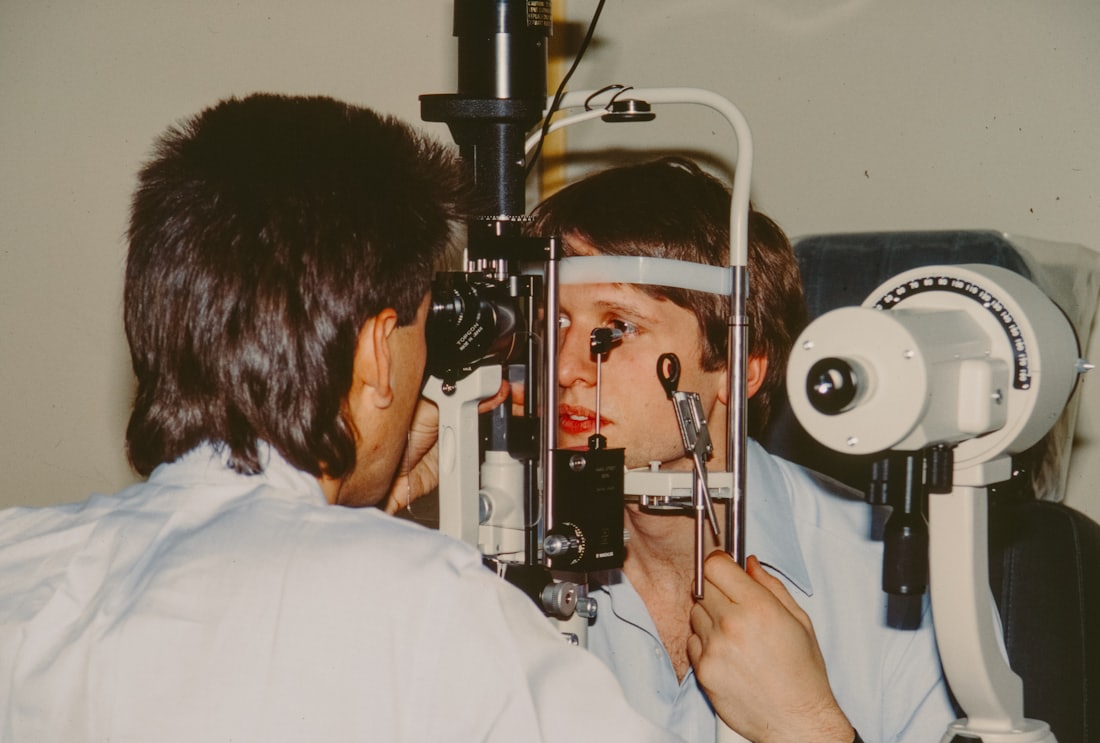
It is quick and painless. The eye care professional checks how well your child sees at distance and near, measures the prescription, examines the health of the eye and often measures axial length so progression can be tracked from visit to visit. You will discuss the results and the options together before anything is decided.
Yes. The control effect depends on the wearer experiencing myopic defocus constantly, so the lenses are made to be worn throughout the day rather than only for reading or only at school. They are impact-resistant, UV-protected and look like an ordinary pair of glasses, which is what makes full-time wear realistic for a child.
Adaptation is assessed about two weeks after the lenses are fitted, which is about comfort and vision rather than results. Progression itself is measured at the six-monthly reviews, where your eye care professional compares the prescription and eye growth with the previous visit.
Next step
It All Starts With an Eye Exam
Find a MiYOSMART centre and talk through the options with an eye care professional.
Find a MiYOSMART Centre
Talk to the HOYA Team
03-6256 0081