


A girl in spectacles leaping joyfully high among sunlit clouds

Technology · New

MiYOSMART iQ

HOYA’s most advanced spectacle lenses for myopia control in children. Built on clinically proven D.I.M.S. Technology, developed further in the Triple Enhanced Design.

The result

9 out of 10 Children Showed No Clinically Significant Myopia Progression was observed during the first 12 months of wearing MiYOSMART iQ

Results apply to myopic children aged 4 to 12 and may vary with age group and other baseline parameters at the time MiYOSMART iQ lenses are first worn. Clinically significant myopia progression is defined as a change in cycloplegic spherical equivalent refraction of ≥ −0.50 D over 12 months of wear.

Proven technology

Based on years of clinical research, D.I.M.S. Technology has established MiYOSMART as a leading solution for myopia management. MiYOSMART iQ goes a step further: it uses D.I.M.S. Technology with Triple Enhanced Design, which further improves the optical design of the lens. This innovative solution manages myopia progression in children in a simple, safe, effective and non-invasive way.

Clinical results that push the boundaries of what’s possible

MiYOSMART iQ spectacle lenses were evaluated in a randomised, controlled clinical trial involving children aged 4 to 12 years. Nine out of 10 children experienced no clinically significant progression of myopia within the first 12 months of wearing MiYOSMART iQ lenses. These are the most impressive results achieved to date for D.I.M.S. Technology.

D.I.M.S. TED Technology

Three Enhancements. One Smart Lens.

MiYOSMART iQ uses D.I.M.S. Technology with Triple Enhanced Design (D.I.M.S. TED), which further improves the optical construction of the lens.

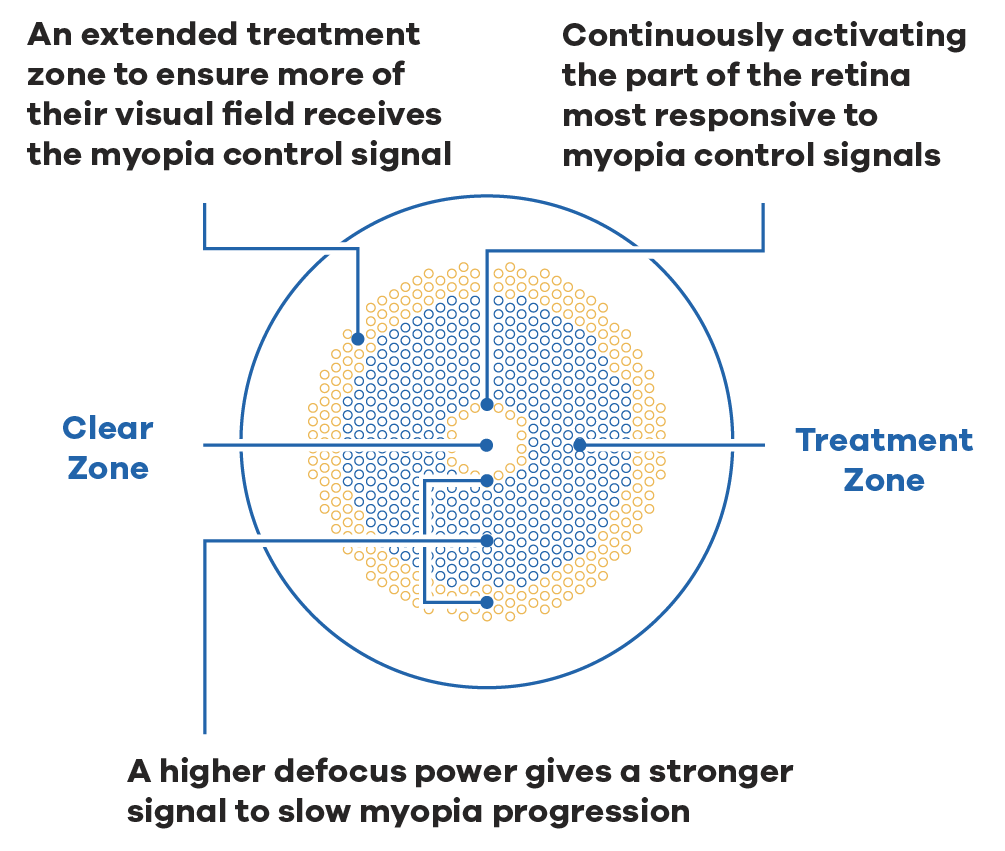
Annotated diagram of a MiYOSMART iQ lens: a clear zone at the centre and a
                    treatment zone of defocus segments around it. Callouts note an extended treatment
                    zone so more of the visual field receives the myopia control signal, continuous
                    activation of the part of the retina most responsive to myopia control signals,
                    and a higher defocus power giving a stronger signal to slow myopia progression.
The clear optical correction zone sits at the centre of the lens, ringed by the treatment zone segments.

Lens construction

The lens has two zones that work together:

Optical correction zone

Providing sharp vision.

Therapeutic zone

Providing the myopic defocus that slows the progression of myopia. The lens design brings the therapeutic zone closer to the centre of the lens, strengthens myopia control and covers a larger area of the spectacle lens.

A girl in MiYOSMART iQ spectacles laughing as she comes down a playground slide

From the Age of Four

MiYOSMART iQ are the first HOYA spectacle lenses shown to control myopia progression in children across a wide age range, from four years of age.

This is important because myopia can appear early and progress throughout childhood. The earlier it is diagnosed, the sooner a specialist can select the appropriate method to slow its progression.

Why Is This Important?

Myopia can not only be corrected, its progression can also be controlled.

Myopia in children is not just blurred distance vision. It is a condition that can keep progressing right through childhood, and higher myopia carries a greater lifetime risk of serious eye complications. Standard single vision lenses improve visual acuity, but they are not designed to slow that progression.

Glasses with MiYOSMART iQ lenses correct vision while slowing the progression of myopia. This is important because the sooner a parent consults a specialist, the sooner the right treatment can be chosen.

A girl with curly hair in amber-framed spectacles, looking up thoughtfully
What each type of spectacle lens does
MiYOSMART iQ myopia control glasses Glasses with standard single vision lenses
Improve visual acuity Improve visual acuity
Correct vision defects Correct vision defects
Slow down the progression of myopia Not designed to control the progression of myopia

The Latest Development Based on Proven D.I.M.S. Technology

MiYOSMART iQ is the next step in the development of D.I.M.S. Technology, the approach known from MiYOSMART lenses, whose effectiveness and safety have been confirmed in many years of clinical studies.

8+ years

Clinical evidence of
D.I.M.S. Technology.

150+

Scientific publications on
D.I.M.S. Technology.

4 million+

Parents around the world have
chosen MiYOSMART.

Everyday wear

Clear, Comfortable Vision Every Active Day

A child’s eyes handle a lot in a day: reading and screens, talking with friends, sport and play. MiYOSMART iQ is designed to stay comfortable across all of it, at school, at home and outdoors.

Thinner lenses, more confidence

How glasses look matters, especially to children. MiYOSMART iQ lenses have a flatter construction that improves their appearance, reducing edge thickness by up to 10% compared with standard spectacle lenses.

They sit better in a wider range of frames, look more discreet, and are more comfortable to wear all day.
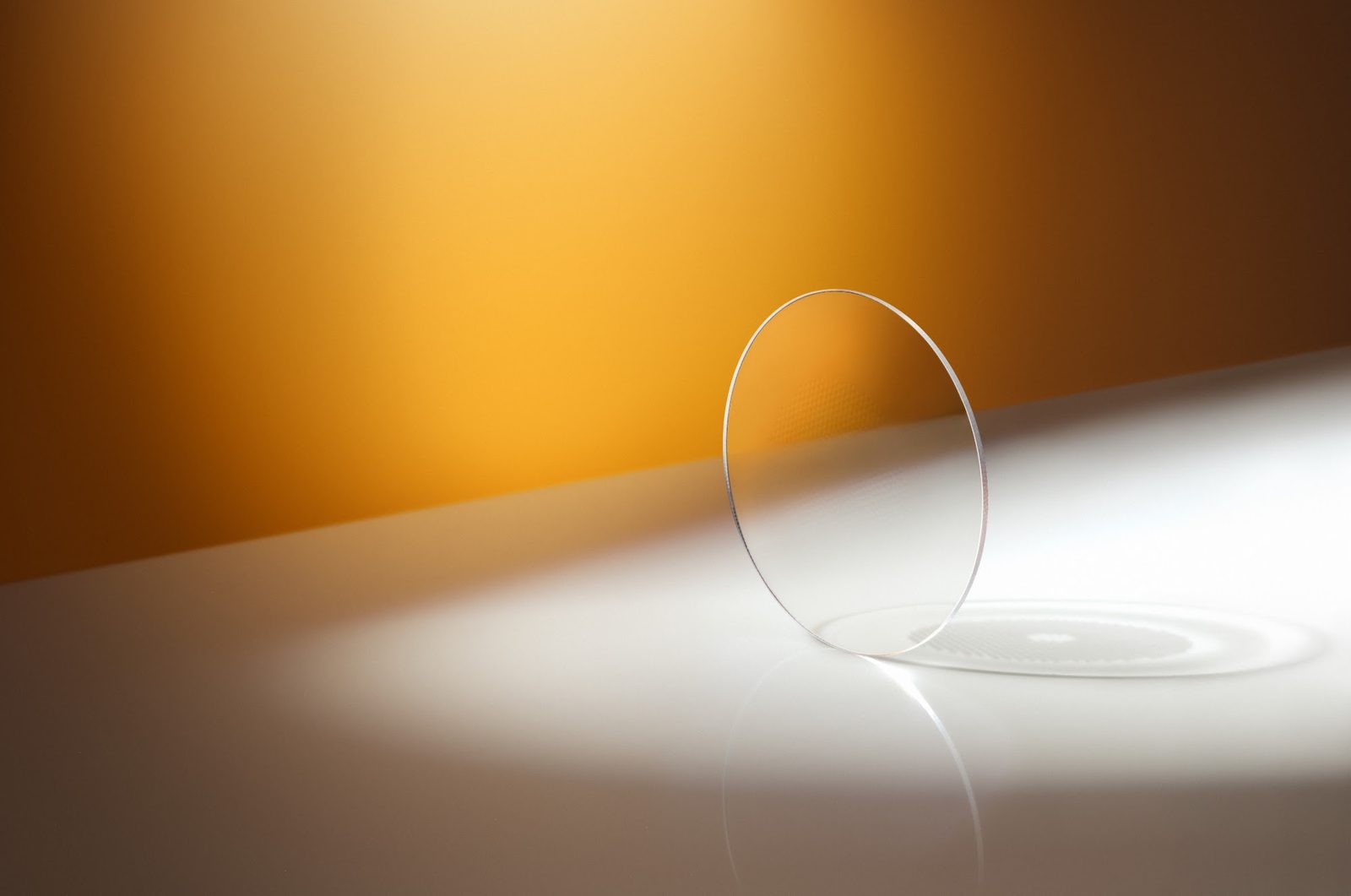
A MiYOSMART iQ lens standing on edge in warm light, showing its slim edge profile

S.P.A.R.K. anti-reflective coating

Scratch-resistant, Protective, Advanced, Ready for Kids: ready for the challenges of a child’s day.

Children are constantly on the move. They touch their glasses, wipe the lenses, drop them into a school bag, and use them at school, at home and outdoors. The coating is built for that intensive, daily use.

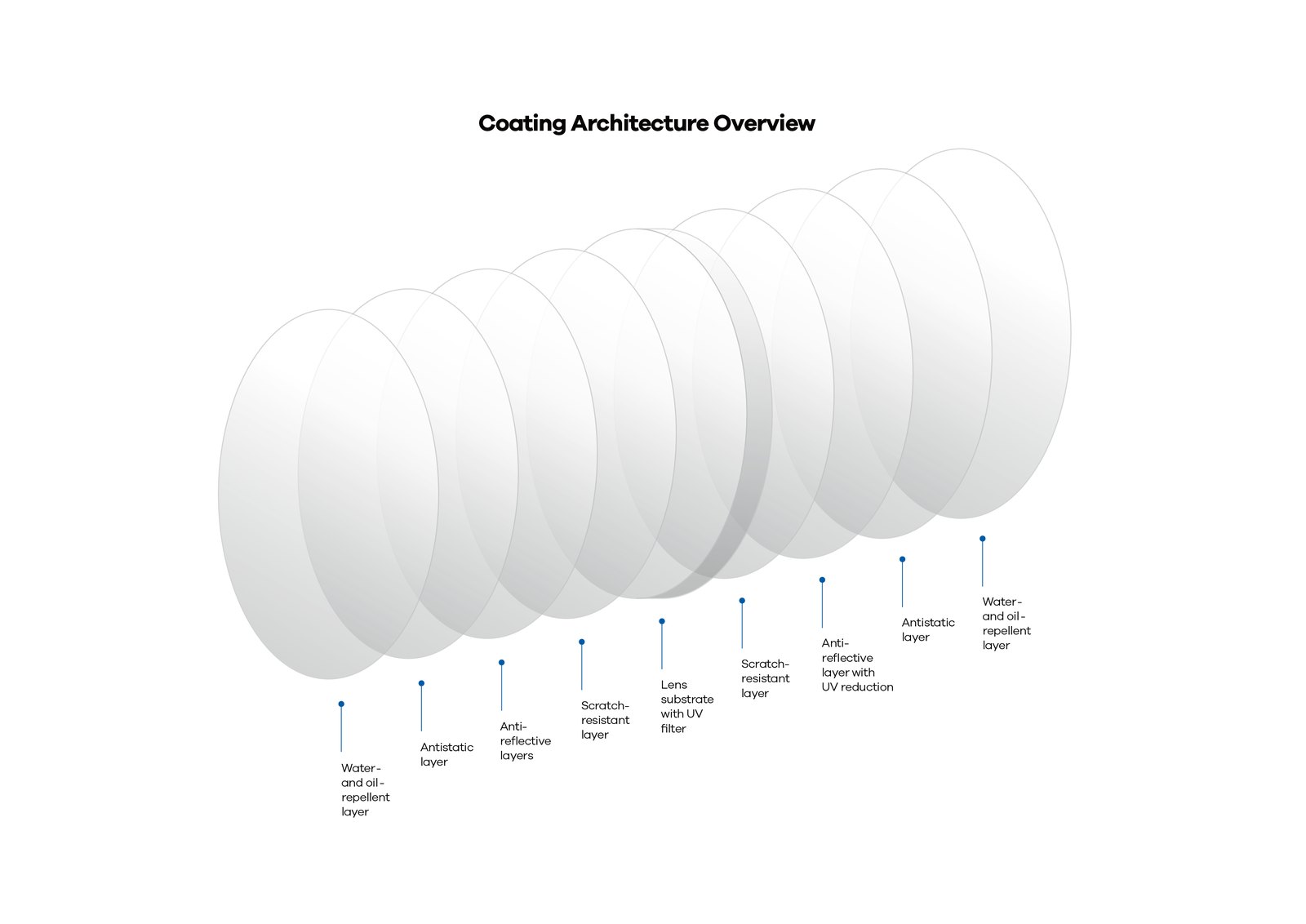
Cutaway of the S.P.A.R.K. coating: water- and oil-repellent layer, antistatic layer, anti-reflective layers and a scratch-resistant layer on each face of the lens substrate, which carries a UV filter

The S.P.A.R.K. coating gives your child

Choose the version that suits your child

MiYOSMART iQ Chameleon

One pair of glasses, whatever the weather.

Children do not always want to swap glasses every time they step outside, so MiYOSMART iQ is also available as a photochromic lens.

MiYOSMART iQ Chameleon lenses adjust their tint automatically as the light changes. They darken outdoors in response to UV and clear indoors, keeping your child comfortable in any situation. They use D.I.M.S. Technology at the same time, so they do not only correct vision: they also slow myopia progression.

A girl on a sunlit city street, her MiYOSMART iQ Chameleon lenses darkened in the bright light

Where to begin

First Steps in Caring for Your Child’s Sight

Three things worth doing, in order. None of them takes long, and the first two you can do at home this week.

  1. Check the signs

    Look out for the everyday habits that can point to a problem with your child’s vision.

    See the signs
  2. Read the parent guide

    When eyes should be examined, what the numbers mean, and how myopia control actually works.

    Open the guide
  3. Book an eye examination

    A professional eye test is the first real step towards managing your child’s myopia.

    Find a specialist

Parent questions

Frequently Asked Questions

No solution gives a 100% guarantee of halting myopia progression in every child. The clinical data for MiYOSMART iQ is, however, very promising: in 9 out of 10 children, no clinically significant myopia progression was observed during the first 12 months of wear.

It is defined as a change in cycloplegic spherical equivalent refraction of ≥ −0.50 D over 12 months of wear. The results apply to myopic children aged 4 to 12 and may differ depending on age and baseline parameters.

Spherical equivalent refraction is a single number describing the averaged refractive error, calculated as the sphere power plus half the cylinder (astigmatism) power.

The myopia control effect of MiYOSMART iQ has been demonstrated in children from four years old. Whether your child can wear MiYOSMART iQ should always be decided by an eye care professional after an examination.

MiYOSMART iQ are safe, non-invasive spectacle lenses for correcting and slowing the progression of myopia in children. As with any medical device, the decision to use them should be made by an eye care professional.

They use D.I.M.S. Technology with Triple Enhanced Design. The lens has an optical zone that provides clear vision, and a therapeutic zone that provides the defocus which slows myopia progression.

Ordinary spectacle lenses correct the refractive error: they sharpen vision. MiYOSMART iQ corrects vision and slows myopia progression at the same time.

Adaptation time varies from child to child. MiYOSMART iQ lenses are designed for comfortable, everyday wear, but if you have questions or your child finds them difficult, speak to your eye care professional.

For myopia control lenses to work as intended, your child should wear them as regularly as possible (ideally every day, whenever they can) so that MiYOSMART iQ glasses are their main method of correction and myopia control.

Myopia control is assessed at regular check-ups. The specialist looks at the change in prescription, how fast it is progressing and, where it can be measured, the axial length of the eye.

Yes. There is no contraindication to combining methods. Combining different myopia control methods should be decided by an eye care professional: an ophthalmologist or an optometrist. The decision depends on the child’s age, how fast the myopia is progressing, test results and individual needs.

MiYOSMART iQ lenses are designed to give comfortable, clear vision during everyday activities. The defocus zone can cause a slight “softening” of the image, which children get used to. If your child reports discomfort, it is worth having the fit of the glasses checked by a specialist.

The price is set by the optical practice, so it varies from one to another. It also depends on your child’s prescription, the lens version you choose and the frame it is fitted to. Your nearest MiYOSMART centre can quote you after an eye examination.

Find a MiYOSMART centre

Next step

It All Starts With an Eye Exam

Ask your eye care professional whether MiYOSMART iQ is right for your child.

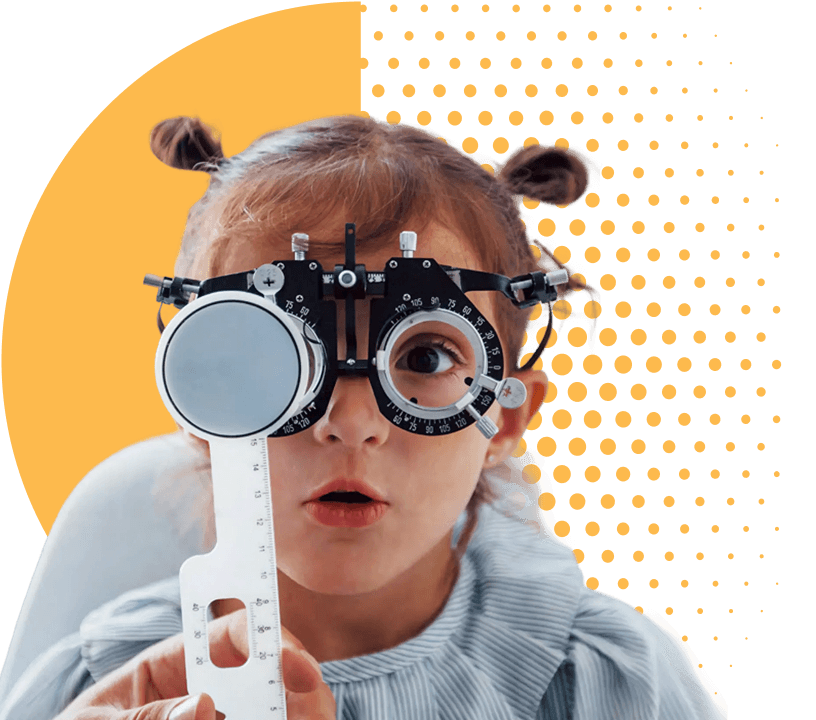
A young girl wearing a trial lens frame during an eye examination