Eye care tips

A Parent’s Guide to Your Child’s Vision

Around 80% of the information a child takes in arrives through sight. Progressive myopia affects more than how sharply your child sees into the distance. It shapes how comfortably they learn, how they manage everyday activities, and how they feel day to day.

When to check

When Should a Child’s Eyes Be Examined?

Sight develops fastest in the earliest years, so examinations start in infancy and then repeat on a schedule, not only when something already looks wrong.

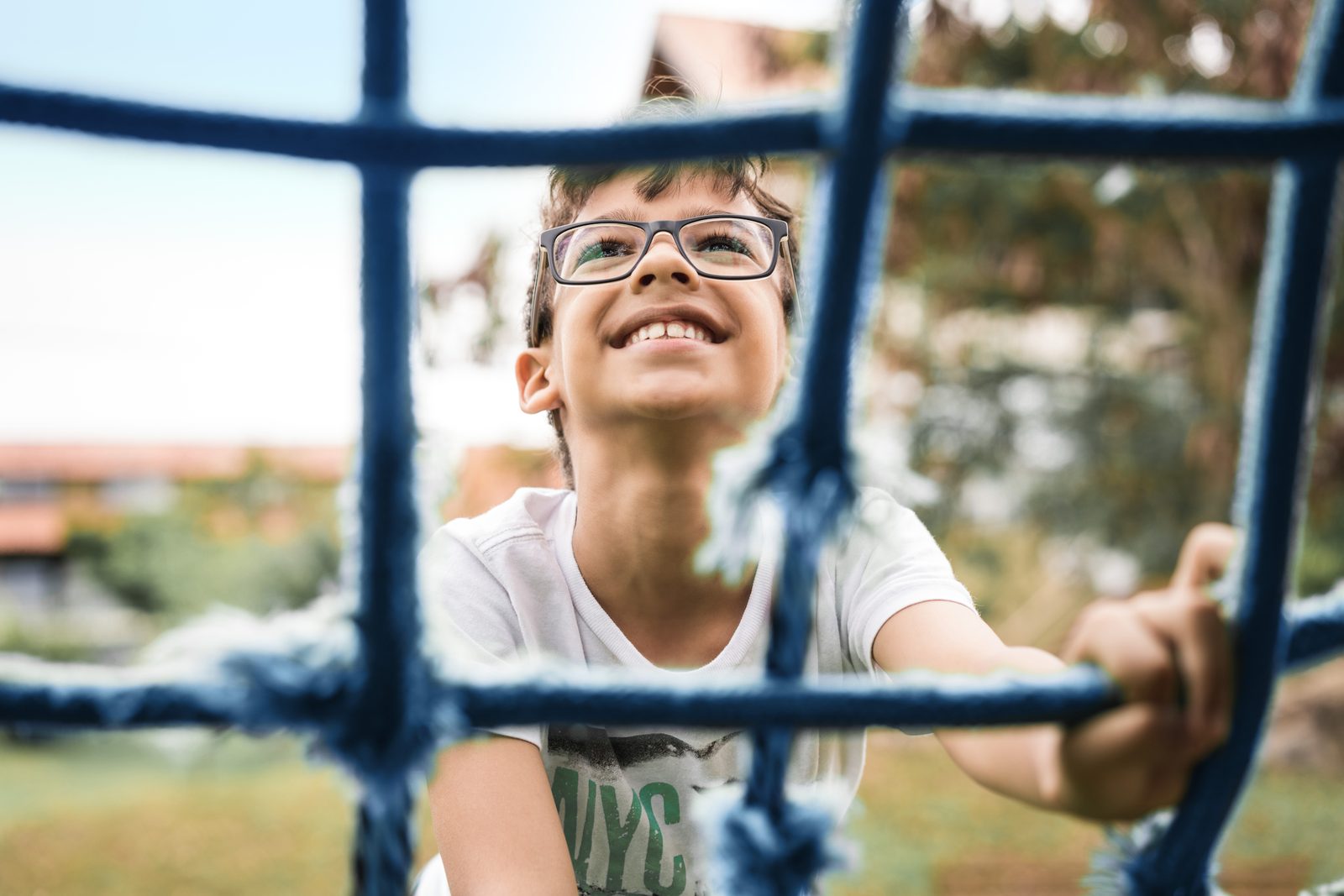
A boy in spectacles climbing a rope frame at a playground
  • Straight after birth

    The first screening of your child’s eyes.

  • 4 to 6 months old

    A follow-up assessment as vision develops.

  • 9 months to 1 year old

    Particularly important if the earlier checks pointed to risk factors for a vision disorder.

  • Around 3 years old

    A developmental assessment of how your child’s sight is progressing.

  • 6 to 7 years old

    Before your child starts primary school.

  • Every school year

    An examination at the start of each school year keeps the prescription current instead of guessed at.

Who to book with

Ophthalmologist, Optometrist or Orthoptist?

Three different professionals look after children’s eyes, and they work alongside each other. Knowing which does what makes the first appointment easier to book.

Ophthalmologist

  • A doctor specialising in the diagnosis and treatment of eye disease.
  • Handles anything needing medical attention: eye pain, redness, a sudden drop in vision.
  • Carries out eye health examinations, including preventive screening in children.
  • May use diagnostic drops that temporarily relax the eye’s focusing.
  • Assesses the condition of the eye and leads treatment where it is needed.
Optometrist

  • A specialist who examines sight and selects correction or visual aids.
  • Measures the size of the refractive error and recommends the right solution, such as spectacles or contact lenses.
  • Assesses visual functions such as focusing, binocular vision and eye position.
  • Helps improve the comfort and quality of your child’s vision.
  • Refers on to an ophthalmologist or orthoptist where needed.

Orthoptist

  • A vision rehabilitation specialist, working mainly with children.
  • Works with amblyopia, eye misalignment and binocular vision disorders.
  • Runs vision exercises and therapy.
  • Supports the development of proper visual function.
  • Often works alongside the ophthalmologist and optometrist.

The best results come from all three working together: ophthalmologist, optometrist and orthoptist caring between them for the health and proper development of your child’s vision.

Setting it straight

Myths About Myopia

Myopia cannot be cured, but it can be corrected and its progression slowed. In children it is most often corrected with glasses or with contact lenses. What is worth remembering is that correcting myopia does not, on its own, slow it down. That takes active management.

So it helps to keep two things apart: correcting vision, and controlling it. Beliefs about the first still lead to poor decisions about the second, right down to the choice of glasses.

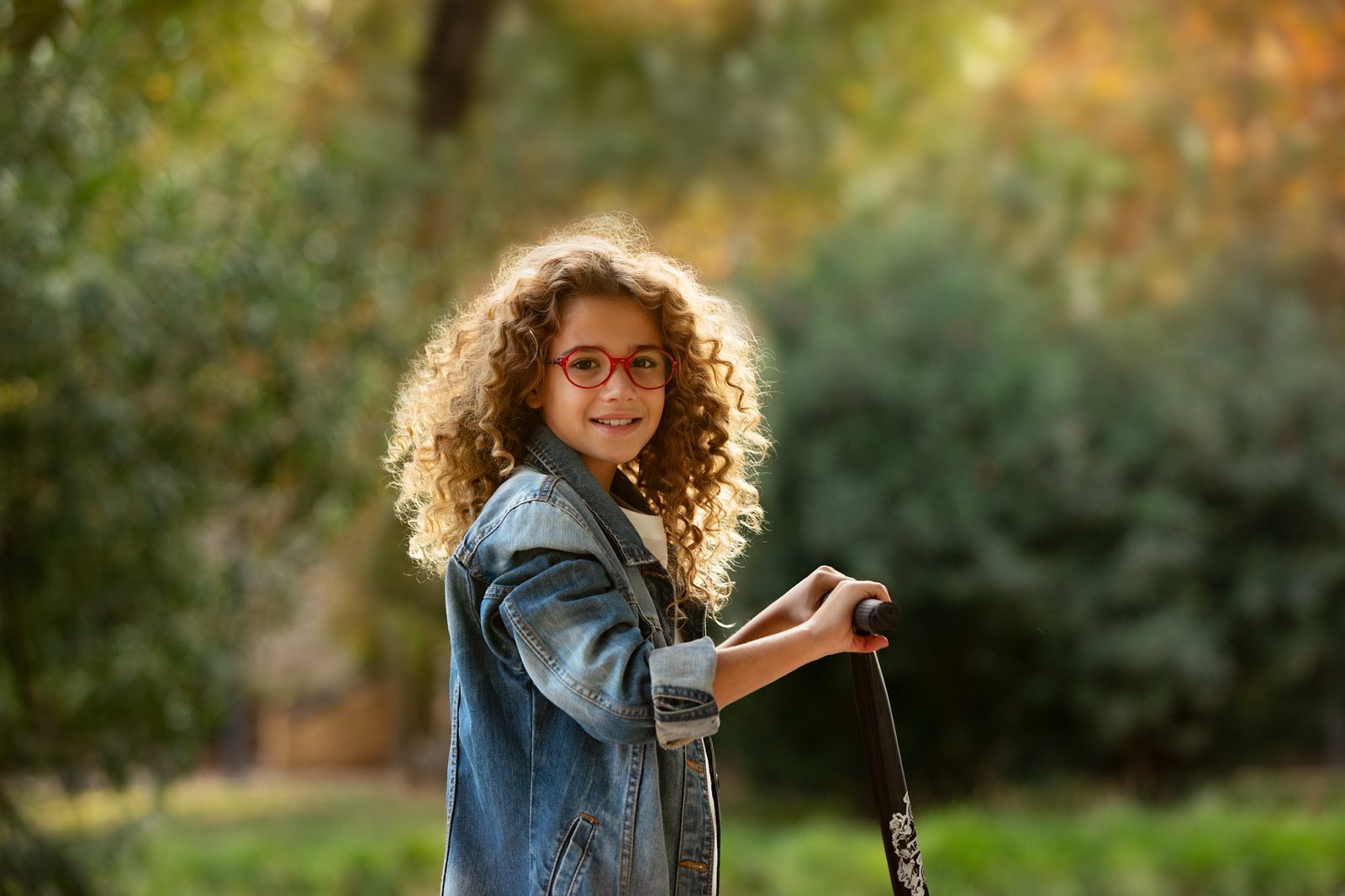
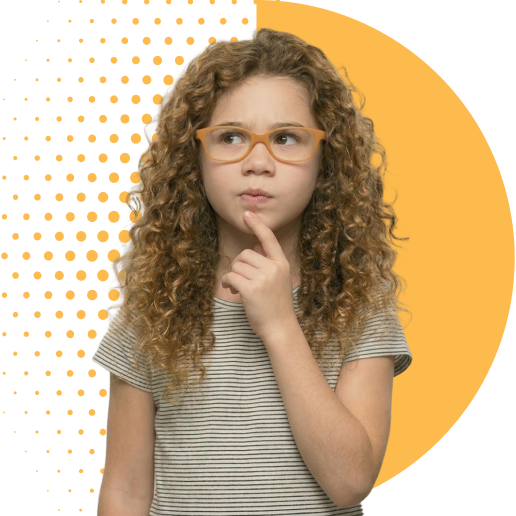
A girl with curly hair in amber-framed spectacles, looking up thoughtfully

Myth:

full correction should not be used, because it “makes the eye lazy”

It does not. Full correction is what allows a child to see clearly and function normally through the day: at school, while reading, and outdoors. Under-correcting strains the visual system instead, because the brain has to work to compensate for a blurred image.

Myth:

the child will outgrow myopia

The belief persists, but the medical evidence does not support it. Myopia usually progresses with age, especially during periods of rapid growth, which is why it needs regular monitoring and active management.

Effective control

Effective Myopia Control in a Child: What Is It Like?

Effective myopia control is not a one-time decision about which method to choose, but a long-term process. Optical and pharmacological solutions on their own achieve too little without consistent use, and without attention to the daily behaviour that genuinely affects how myopia develops. The following are crucial:

  • The right correction

    Correction properly selected for your child’s eyes, so they see clearly through the whole day.

  • A method to slow it

    A chosen solution for slowing progression, agreed with the specialist looking after your child.

  • Regular monitoring

    Vision checks at set intervals, so changes are measured rather than assumed.

  • Everyday habits

    Daily habits that support eye health, including your child’s lifestyle and visual hygiene.

In practice this rests on four pillars: proper correction, a slowing method, regular vision checks and daily habits. Only the combination gives the best chance of slowing progression and supporting the proper development of a child’s eyes, now and in the future.

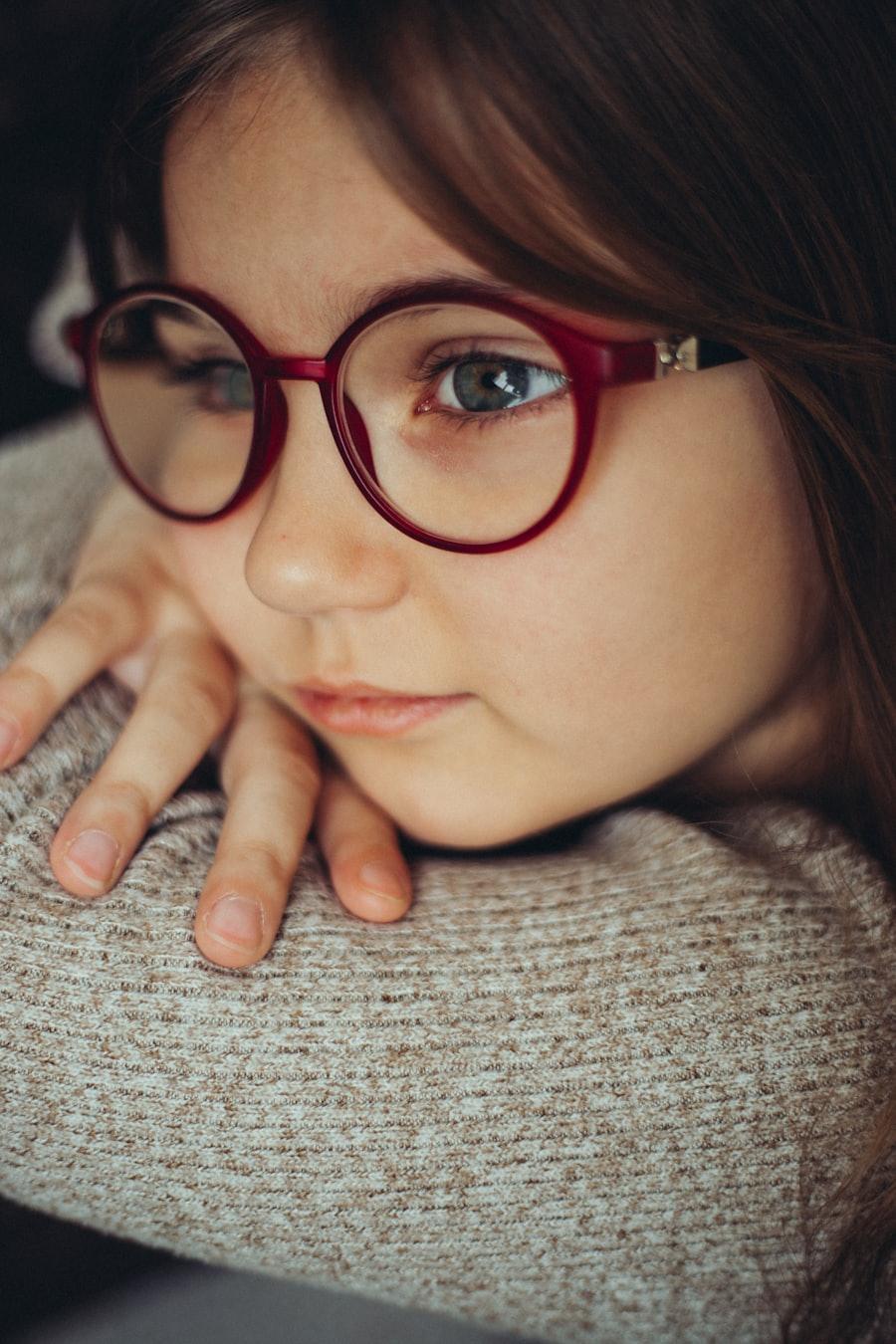
A girl wearing red-framed spectacles resting her chin on her hands

The options

Methods for Slowing Myopia Progression

Optical methods

  • Spectacles with MiYOSMART lenses, using D.I.M.S. Technology and designed for myopia control in children
  • Orthokeratology lenses: rigid contact lenses worn to reshape the cornea
  • Soft contact lenses made specifically for myopia control

Pharmacological methods

  • Eye drops containing atropine at a low concentration of 0.01–0.05%

The final choice of method should always rest with the specialist. If single methods fail to produce the desired results, eye care specialists are increasingly choosing to combine them to maximise the chances of achieving the intended therapeutic goal.

The earlier myopia is detected, the greater the chance of slowing its progression and reducing the risk of serious eye diseases in the future. This also means more time to implement appropriate treatment and develop healthy habits that support the proper development of a child’s eyes.

Visual hygiene

Five Ways to Look After Your Child’s Eyes

None of these replace an examination or a myopia management lens. They sit alongside both, and they are the part that happens at home.

  1. Limit near work

    Cut back on how much of the day goes to close-up viewing: the smartphone, the computer and reading held close.

  2. Take breaks: 20-20-20

    During close work, every 20 minutes rest the eyes for 20 seconds by looking at something about 6 metres (20 feet) away.

  3. Two hours outdoors

    Time outside in natural daylight, a minimum of two hours a day.

  4. Protect against UV

    Shield the eyes from sunlight, and especially so during atropine treatment, for example with photochromic MiYOSMART Chameleon or polarised MiYOSMART Sunbird lenses.

  5. Keep up regular checks

    Regular vision checks with specialists, ideally an ophthalmologist and an optometrist, at least once a year.

Where to begin

First Steps in Caring for Your Child’s Vision

Three things to do, in order, if you have not started yet.

  1. Check the signs

    Notice the signals that suggest a problem with sight: squinting, holding things close, sitting nearer the screen than they used to.

    See the signs
  2. Read the parent’s guide

    Gather the detail in one place, so the next appointment starts from knowledge rather than from scratch.

    Read the guides
  3. Book an examination

    A professional eye examination is where conscious management of your child’s vision begins.

    Find an optical shop

Next step

It All Starts With an Eye Exam

Find a MiYOSMART centre and talk through the options with an eye care professional.

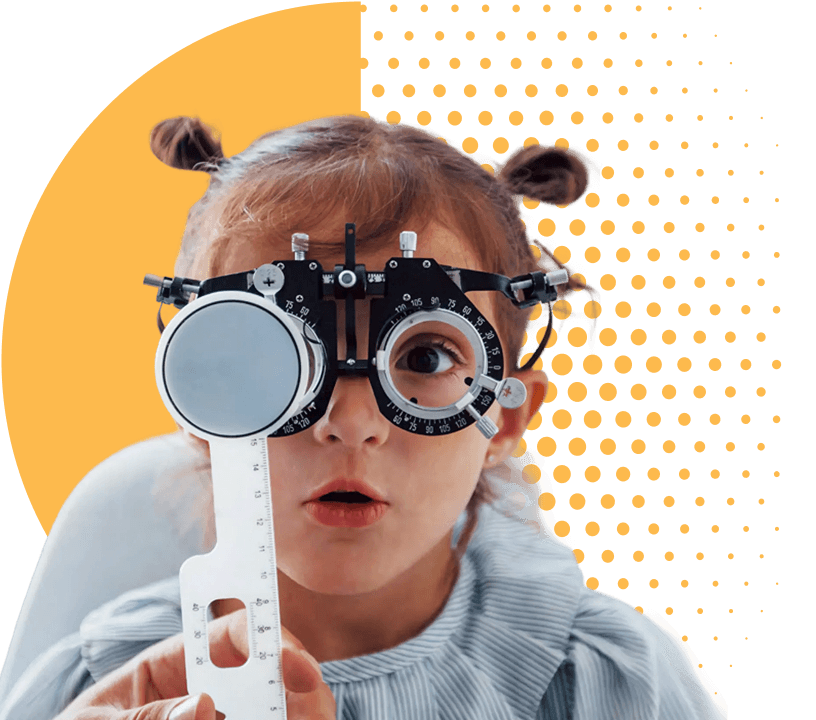
A young girl wearing a trial lens frame during an eye examination